
Factory Lifting Systems: Evaluating Equipment Capacity
06 May 2026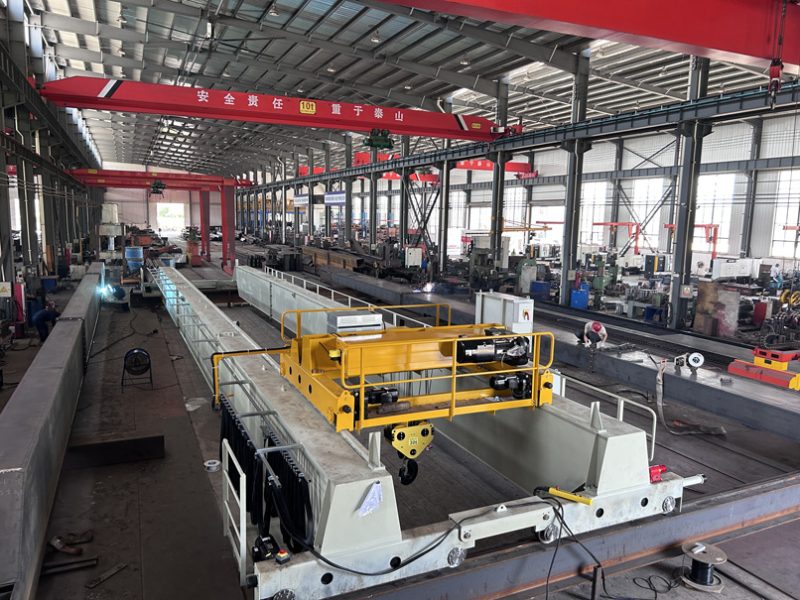
Improve load handling with factory lifting systems from Hydromech Hoist and Crane in Australia for safe lifting capacity in industrial facilities.
Production environments depend on lifting equipment that can manage heavy loads safely and consistently. Facilities that install factory lifting systems must evaluate equipment capacity carefully to avoid operational disruption and unnecessary mechanical strain. Capacity assessment supports safe material handling while keeping production processes stable.
Assessing Load Capacity for Industrial Lifting Operations
Manufacturing facilities operate with lifting tasks that vary in weight, frequency, and movement patterns across production zones. Engineers review load characteristics, lifting height, and duty cycle requirements when assessing factory lifting systems for a specific facility.
Operational layout also affects equipment capacity planning. Structural supports, workstation spacing, and material flow paths influence how lifting equipment integrates into existing production processes.
Operational Factors That Influence Lifting Capacity
Capacity evaluation considers several operational conditions that influence equipment selection and long-term performance. Facilities typically review the following factors before installing lifting equipment:
- Maximum load weight: Determines the rated lifting capacity required for safe handling. Engineers assess the heaviest components or materials moved during routine operations.
- Lift height and travel distance: Vertical movement requirements affect hoist selection and crane configuration. Greater lift heights require equipment designed for controlled load movement.
- Duty cycle demand: Repeated lifting tasks increase mechanical wear on hoists and crane structures. Equipment designed for higher duty cycles supports frequent production activity.
- Load stability and distribution: Uneven or shifting loads require lifting systems that maintain stable load control. Balanced lifting reduces stress on mechanical components.
- Workplace clearance and layout: Structural beams, equipment spacing, and production flow influence crane span and movement paths. Careful planning ensures safe lifting operations within the available workspace.
Engineering Considerations for Factory Lifting Systems
Engineering assessment examines structural components, hoist specifications, and operational demands to confirm equipment suitability. Facilities that evaluate factory lifting systems carefully can reduce strain on lifting equipment while maintaining stable production handling.
Australian workplace guidance also influences lifting equipment selection and safe operation. Hydromech Hoist and Crane considers recognised plant safety guidance, including Safe Work Australia recommendations, when discussing lifting equipment requirements with industrial clients.
Our team designs and manufactures lifting equipment used across manufacturing, engineering, and processing environments. Our engineering perspective focuses on aligning lifting equipment capacity with real operational demands inside industrial facilities.
Planning Reliable Lifting Systems for Industrial Facilities
Careful capacity planning supports safe load handling and dependable equipment performance in production environments. Facilities that review lifting requirements early can reduce operational interruptions and maintain consistent material movement.
Hydromech Hoist and Crane manufactures factory lifting systems suited to industrial lifting conditions across Australia. Our engineering team works with manufacturers, fabricators, and industrial facilities that require lifting equipment designed around practical production needs.
Contact us to discuss lifting equipment suited to your facility.
Related Blog Articles:
Overhead Crane Compliance: AS 1418 & AS 2550 Checklist for Australian Businesses
Overhead Crane Safety: Using Limit Switches, Overload Protection, and Anti-Sway
Overhead Crane Maintenance: Year-End Inspection Checklist for Summer Shutdowns
Industrial Hoist Technology Trends 2026: What Melbourne Manufacturers Need to Know
Optimized by: Netwizard SEO