
Overhead Crane Systems for Hydraulic Workshops Handling Heavy Cylinders and Pumps
24 July 2026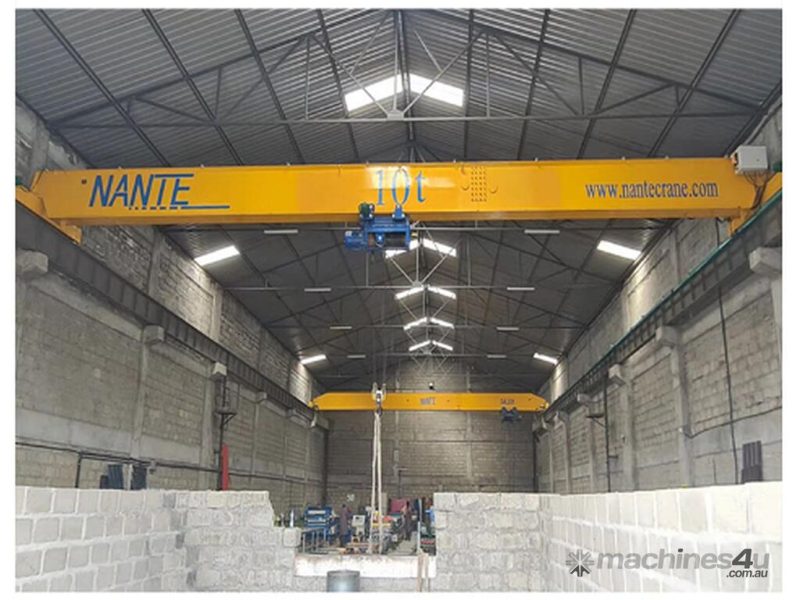
Specify overhead crane systems for hydraulic workshops handling heavy cylinders, pumps and motors—discuss capacity and layout requirements.
Hydraulic repair facilities need controlled lifting across receiving, dismantling, inspection, machining, assembly and dispatch. A crane must be engineered around actual loads, building geometry and work zones; a generic “heavy-duty gantry” claim is not enough.
What Is an Overhead Crane System for a Hydraulic Workshop?
An overhead crane system combines the bridge, runway interface, hoist, trolley, controls and safety devices needed to lift and position workshop loads. For hydraulic servicing, those loads may include cylinders, pumps, motors, manifolds and assembled equipment that cannot be handled safely by manual effort.
Hydromech is an Australian hoist and overhead crane manufacturer offering turnkey cranes, crane kits, hoists, bogies, spare parts and customised lifting solutions. Its website supports overhead-crane applications; it does not establish adjustable portable gantries as its specialist hydraulic-workshop product.
Define the Lifting Duty Before Selecting Equipment
Start with the heaviest verified component and every lifting accessory that contributes to the suspended load. Then document lift frequency, required hook travel, span, runway length, approach dimensions, headroom and duty classification. An occasional maintenance lift is not the same duty as repeated production handling.
- Load envelope: record minimum, typical and maximum loads plus lifting beams, slings and fixtures.
- Coverage: map receiving, strip-down, machining, testing, assembly and dispatch zones.
- Building constraints: confirm columns, roof structure, clearances, services and permissible support loads.
- Control requirements: assess pendant, radio or cabin operation and the required positioning accuracy.
- Environment: identify oil, contamination, washdown, heat, outdoor exposure or hazardous-area considerations.
- Maintenance access: provide safe access for inspections, ropes, brakes, electrics and replacement parts.
Compare Full Cranes, Crane Kits and Hoist Configurations
Hydromech supplies full cranes and crane kits as well as foot- and side-mounted hoists, high-lift trolley arrangements, torsion-beam trolleys and end carriages. The correct configuration depends on the workshop structure, required hook approach and whether a new crane or replacement component is being specified.
Avoid describing open layouts or adjustable coverage unless they are part of the actual engineered proposal. Likewise, do not promise faster repair throughput without analysing the current handling bottleneck. The crane enables controlled lifting; workflow gains depend on layout, staffing, tooling and operating procedures.
Design, Compliance and Safe Use
Crane procurement should include design responsibilities, documentation, installation, commissioning, inspection and maintenance requirements. The Safe Work Australia cranes guidance explains core crane hazards and control responsibilities. Applicable Australian Standards, workplace procedures and competent engineering input still need to be confirmed for the project.
Plan load paths so suspended loads do not routinely travel over people or occupied benches. Training, pre-use checks, exclusion zones and suitable lifting accessories remain essential after commissioning.
Request a Crane Around the Actual Workshop
Send Hydromech the building layout, lifting schedule, maximum load, span, runway length, hook height, duty cycle and operating environment. Review its hoist and crane product range against those requirements.
Do not buy from capacity alone. Contact Hydromech for a lifting-system discussion based on the hydraulic components, workflow and structural constraints in your workshop.
Optimized by: Netwizard SEO